

Op-Ed: Why Shade-Grown Coffee is Underutilized and Undervalued in the Coffee Industry
Mainstream coffee farming practices are harming the environment and putting the livelihoods of small farmers at risk. Fortunately, there is a better way.
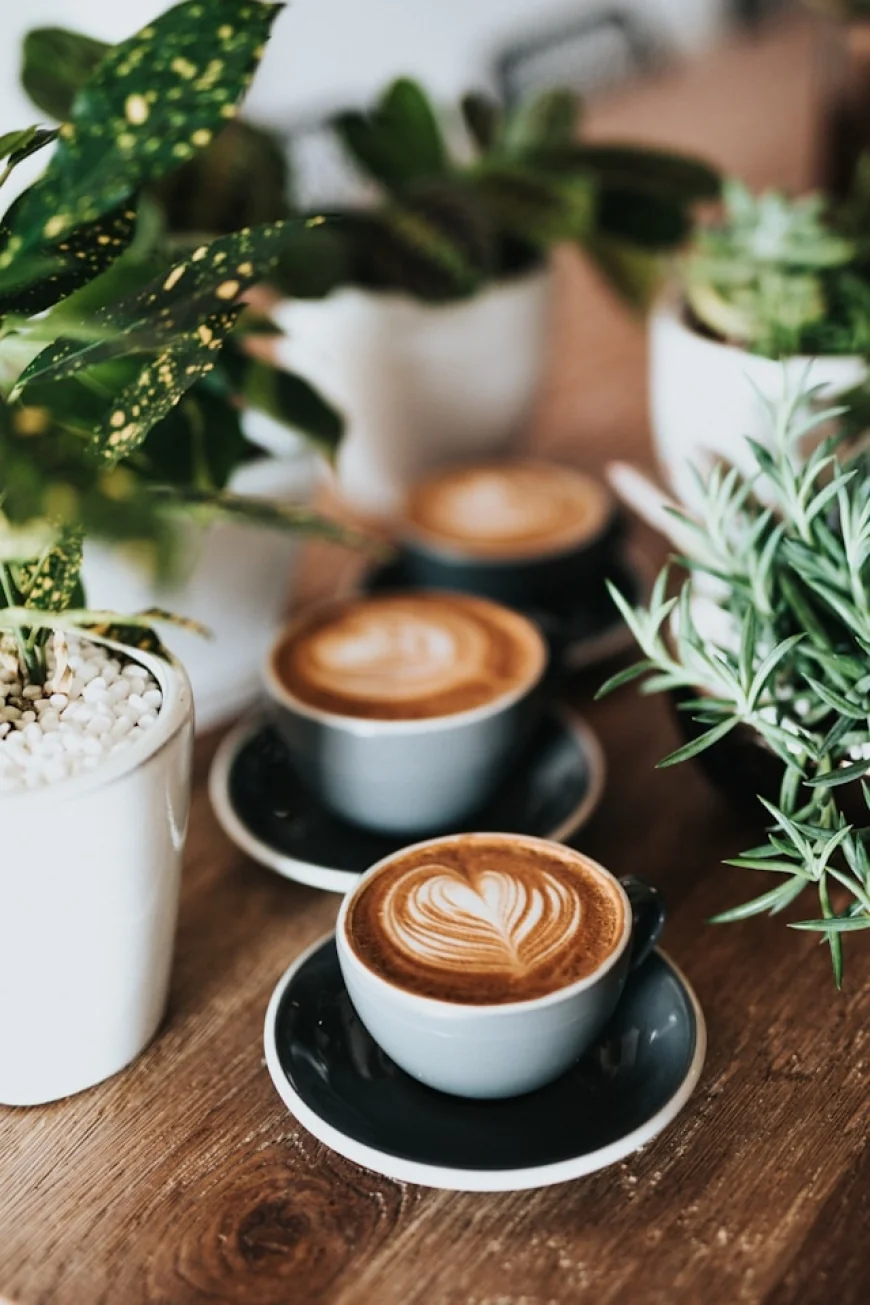
Picture waking up on a typical Monday morning. You leave your warm bed and head straight to the coffee maker. If you have time, you might even watch as the hot liquid cascades into the cup while a warm aroma permeates the room. Once it’s ready, you take that first welcoming sip and instantly become more alert. Now, imagine that familiar ritual becoming rarer and more expensive with each passing year.
Most consumers don’t think about sustainability when pouring their morning cup of Arabica coffee. I didn’t either, until I learned that mainstream coffee farming practices are putting this daily habit at risk.
Shade-grown coffee is a more sustainable alternative, yet it remains overlooked in the industry. In fact, I was shocked to learn that more and more natural habitats are being cleared away to make room for monocultured plantations. Although consumers have a part to play in their individual coffee purchases, the industry as a whole must change if things are to get any better. If not, recent data shows that we could witness the extinction of the Arabica coffee plant in its native habitats in Ethiopia as soon as 2080.
Sun-Grown vs. Shade-Grown: What’s the Difference?
In my research, I learned that there are two types of coffee farming. One is cheap, quick, and efficient for large corporations, but harmful for the environment in the long term, while the other produces smaller yields in return for preserved natural ecosystems.
Sun-grown coffee farming relies on monocultured plantations where only coffee is grown on a large scale. The industry prefers to grow coffee this way because it leads to higher short-term yields per acre. Coffee plants also mature faster. These qualities make all the difference in a market that prefers consistency and volume. However, although sun-grown coffee tends to be bold in flavor, it lacks the subtlety that alternatives excel at.
In contrast, shade-grown coffee is produced by planting coffee under trees that support the local ecosystem, mimicking a natural forest. Shade-grown coffee is undervalued. 41% of global coffee is grown under full sun. 35% is grown with minimal shade, leaving only 24% of coffee worldwide to be grown in shade-covered canopies. According to recent research from the Smithsonian’s National Zoo and Conservation Biology Institute (NZCBI) and Smithsonian Tropical Research Institute (STRI), current carbon markets incentivize planting new trees, but overlook the value of existing mature trees.
Statistics show that it would cost an annual investment of approximately 1 billion dollars for the whole world to grow coffee in an eco-friendly manner. It also takes more time and effort overall to grow coffee under lush canopies instead of the sun, as these varieties grow at a slower rate.
Some might argue that these investments are too much of a commitment to sustainability for an unpredictable market. I disagree, not only because of the threat to the high-quality Arabica coffee we all love but because of the challenges that farmers face.
Consequences of Sun-Grown Coffee on Small Farmers
Sun-grown coffee puts the livelihood of small farmers at stake by exacerbating climate change. We can see this already taking place in regions of Ethiopia, such as the coffee production zones of Jimma and Illubabor. In order to make room for monocultured plantations, entire forests must be cleared out, releasing massive amounts of carbon into the atmosphere. More carbon leads to rising temperatures, rainfall pattern changes, and more severe weather occurrences such as floods and droughts. These changes contribute to uneven ripening of coffee beans, disturbed flowering patterns, and coffee tree damage, which all point to a decrease in the quality of coffee native to the region.
Mainstream farming methods also lead to a loss in biodiversity. Without shaded ecosystems, birds, insects, and other species are displaced, and local habitats are diminished. Deforestation for coffee monocultures has reduced bird biodiversity by up to 90% and bat activity by 95% compared to shade-grown canopies. This loss of natural pest control increases reliance on harsh pesticides to maintain yields, leading to greater soil erosion and putting the farmers’ health at risk.
Finally, the climate change brought on in part by coffee monocultures will endanger the Arabica coffee plant. Farmers are facing more pressure to turn to the Robusta variety, which grows better in the sun but has a more bitter taste compared to Arabica beans. Depending on the severity of climate change, Arabica coffee production yields are expected to drop by 20% to 50% by 2050. The change from Arabica to Robusta not only changes flavor profiles but also gives farmers less bargaining power, keeping them in poverty. (The average coffee farmer receives only 1 cent to 10 cents for every cup of coffee sold in the developed world.)
What Needs to Change
Consumers have the power to spark meaningful change. Recent data shows that 66% of consumers are willing to pay a premium for more sustainable coffee. Millennials and Gen-Z in particular are more likely to purchase sustainable coffee than baby boomers. Consider changing to a more sustainable coffee brand if you haven’t already. At the grocery store, look for certifications like the Bird-Friendly label on the box.
However, if the industry is serious about protecting the livelihoods of small farmers, it has to stop treating shade-grown coffee as optional and start treating it as foundational. Efforts to move towards more eco-friendly practices have already started making waves in coffee-growing communities in Mexico, where farmers have reported stronger, healthier plants.
The first step is to educate investors and companies about the value of shade-grown coffee, which is pivotal to driving demand for it. While current carbon markets incentivize growing new trees, the market should also introduce rewards for preserving existing trees. Finally, coffee-growing countries like Ethiopia should add more shade-grown systems in their plan to reduce climate change.
By making these changes, consumers can continue enjoying their morning coffee rituals, knowing that they are making a wiser choice for the environment and small farmers around the globe. Otherwise, coffee quality will continue to decrease over time and both farmers and consumers alike will pay the price.
What's Your Reaction?
 Like
0
Like
0
 Dislike
0
Dislike
0
 Love
0
Love
0
 Funny
0
Funny
0
 Wow
1
Wow
1
 Sad
0
Sad
0
 Angry
0
Angry
0

Elena Swan is a freelance writer based in Lawrence, Kansas. She likes to write about lifestyle topics such as food, coffee, health and wellness, and personal growth.

Comments (0)